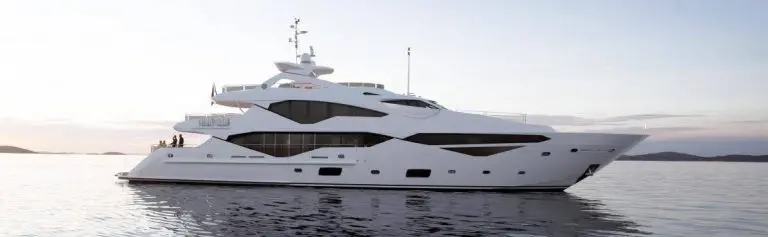
 Luxury Yacht Rental Dubai
  Yacht Party Dubai
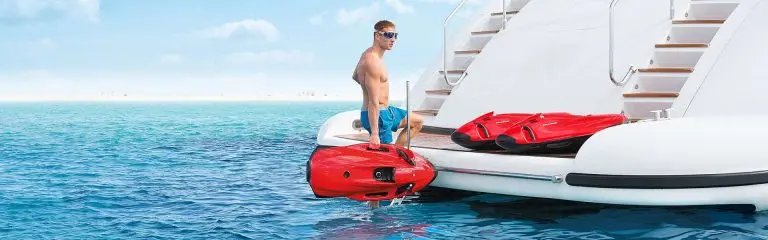
 Fly Board
 Buy Now, Pay Later



Deep sea fishing, often referred to as offshore fishing or big game fishing, is a thrilling adventure that takes you far from shore into the open ocean. It’s not just about catching fish; it’s about the whole experience of being out on the water, facing the elements, and testing your skills against some of the ocean’s most formidable creatures. In this guide, we’ll explore what deep sea fishing entails, the techniques and gear you need, and some tips to make your fishing trip successful.
 Understanding Deep Sea Fishing
What Makes It “Deep Sea”?
Deep sea fishing typically occurs in waters that are at least 30 meters (about 100 feet) deep, but often much deeper. This type of fishing takes place away from the coastal waters, where larger species like marlin, tuna, and sharks can be found. The depth and distance from shore is what distinguishes deep sea fishing from other types like inshore or freshwater fishing.
The Appeal of Deep Sea Fishing
For many anglers, the appeal lies in the challenge and excitement of catching large, powerful fish. The ocean’s vastness and unpredictability add to the thrill. Additionally, deep sea fishing offers a chance to experience the beauty of the marine environment, encounter diverse wildlife, and enjoy time on the open water.
Essential Gear for Deep Sea Fishing
 Rods and Reels
The right rod and reel are crucial for deep sea fishing. Deep sea rods are typically longer and sturdier than those used for freshwater fishing, designed to handle the stress of large fish. Reels used in deep sea fishing need to have a high line capacity and strong drag systems to manage the fight with big game fish.
Bait and Lures
Bait and lure selection can vary based on the target species. Common choices include live bait like mackerel or squid, as well as artificial lures designed to mimic the movement of prey fish. Understanding the feeding habits of your target fish will help you select the right bait or lure.
Other Essential Equipment
Additional gear includes fishing lines with high tensile strength, hooks, sinkers, and leaders. A good fish finder can also be invaluable in locating schools of fish. Safety equipment, such as life jackets and a first aid kit, is also essential.
Deep Sea Fishing Techniques
Trolling
Trolling is a popular technique in deep sea fishing where lines with baited hooks are drawn through the water behind a moving boat. This method is effective for catching fast-moving fish like tuna and marlin. Varying the speed and depth of your lines can increase your chances of a successful catch.
Bottom Fishing
Deep sea bottom fishing involves dropping bait to the ocean floor to attract fish that dwell near the seabed. This technique is effective for catching species like snapper and grouper. Using a fish finder can help locate structures on the ocean floor where fish are likely to gather.

Jigging
Jigging is a technique where a lure is moved up and down in the water column to mimic the movement of prey. This method is effective for catching a variety of species, including amberjack and kingfish. The key is to vary the speed and rhythm of the jig to entice strikes.
Reeling Techniques
Proper reeling techniques are crucial, especially when battling large fish. It’s important to maintain steady pressure on the line and use a smooth, consistent motion to reel in your catch. Avoid jerky movements that can cause the line to snap.
Tips for a Successful Deep Sea Fishing Trip
Know the Best Times to Fish
The best times for deep sea fishing often depend on the tides and weather conditions. Early mornings and late afternoons are typically the most productive times. Check local tide charts and weather forecasts to plan your trip accordingly.
Understand the Regulations
Fishing regulations vary by location and species, so it’s important to understand the rules for the area where you’ll be fishing. This includes catch limits, size restrictions, and protected species. Adhering to these regulations helps ensure the sustainability of fish populations.
Hire a Guide
If you’re new to deep sea fishing, consider hiring a guide. Experienced guides know the best fishing spots, techniques, and can provide valuable insights into local fish behavior. They also handle the boat and equipment, allowing you to focus on the fishing experience.
Safety Considerations
Weather Awareness
Always check the weather before heading out to sea. Sudden changes in weather can make conditions dangerous. It’s crucial to have a plan for quick return to shore if the weather turns.
Boating Safety
Ensure that the boat is equipped with all necessary safety gear, including life jackets, flares, and a functioning radio. Understanding basic boating safety and navigation is also important, especially in unfamiliar waters.
Health and Hydration
Spending long hours in the sun can lead to dehydration and heat exhaustion. Bring plenty of water, wear sunscreen, and take breaks in the shade to stay healthy and comfortable during your trip.
Conclusion
Deep sea fishing is a captivating sport that combines the thrill of the catch with the serenity of the ocean. With the right preparation, equipment, and techniques, it can be an incredibly rewarding experience. Whether you’re seeking the adrenaline rush of battling a big game fish or simply want to enjoy the open sea, deep sea fishing offers something for everyone. So pack your gear, set your course, and get ready for an unforgettable adventure on the high seas.